Heartworm Philippines: Heartworm In Dogs
Heartworm in Dogs
by Benedict de Borja
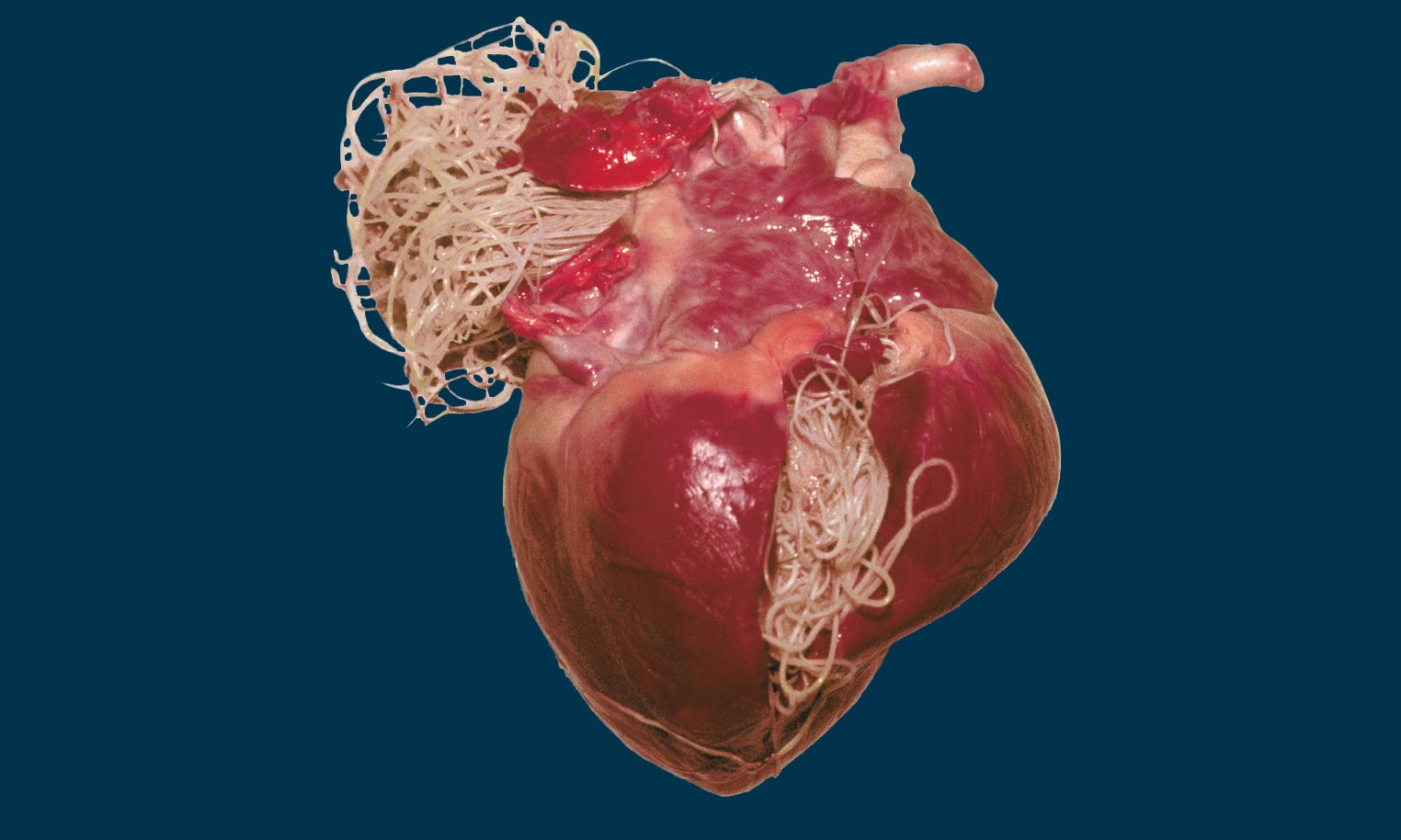
Heartworms is a parasitic infection that is caused by a type of roundworm, Dirofilaria immitis, and commonly affects dogs but can also infect cats and other small mammals.
Heart transmission happens when an infected mosquito that is carrying the heartworm larvae bites a dog and transfer the larvae into the bloodstream. The larvae will reside in the animal’s lungs where they will feed and grow, then travel to the heart via the blood vessels damaging in the process.
Once inside the heart, it will continue to feed and grow until the patient dies from congestive heart failure.
Early prevention regimes included control of mosquito population through insecticides or using mosquito nets on pet shelters. However, the effectivity of these measures was dubious at best especially in the local setting where mosquito populations are prevalent nationwide.
If your dog has been infected by heartworms, signs and symptoms may include:
- Coughing (sometimes with blood)
- Exercise Intolerance
- Easily Exhausted
- Bloated Stomach
- Weight Loss
- Fainting
Even after a dog has been infected, it may take as long as six (6) months for the heartworm larvae to mature before any symptoms occur but there are cases wherein the animal has not shown any of the usual symptoms despite being already infected until it was too late
That is why testing for heartworm infection must be included in your pet’s regular yearly check-up.
Dr. Enrique T. Carlos, founder and one of the most senior veterinarians of Makati Dog and Hospital, has encountered many cases of heartworm infections in his many years of practice.
“The level of awareness of dog owners that heartworm infection is a commonly occurring disease is not as high as say Rabies or Distemper.” according to Dr. Carlos.
He shared that the early protocol for treatment involved a major surgical procedure wherein the mature worms were physically removed from the heart of the infected animal. This protocol was discontinued as it involved a highly invasive, highly risky, procedure with a 50-50 chance of survival for the patient. The procedure itself is also quite expensive thus many dog owners choose to simply give palliative care instead.
Furthermore, Dr. Carlos also said that, “Heartworm should be given a level of importance and attention by the pet owner as it has just as high chance of occurrence or infection for your pet as rabies or distemper and arguably may even be higher.”
Current treatment has progressed since that time with drugs replacing surgery as the protocol of choice.
Preventive Treatment options can range from topical skin applications to monthly oral medications or injectables.
One new product, ProHeart, has the advantage of having an efficacy of one year in between dosages. Thus, it saves time and money for the dog owner. In effect, this reduces the chance of the dog’s owner forgetting to administer their dog’s oral medication every month or bringing their dog to a vet for monthly regular injections.
ProHeart is an injectable vaccine that can only be administered by a certified veterinarian.
Ask your Vet about ProHeart